Selling a Dallas House for Cash: Foundations, County Lines, and the Texas Paperwork Behind Your Net
A Dallas-specific guide to selling a house for cash: clay-soil foundation questions, which county and appraisal district you deal with, Texas seller disclosures, title and tax prorations, historic districts, and how to compare a cash offer on net.
 By the Main Street Home Buyer team Published 10 min read
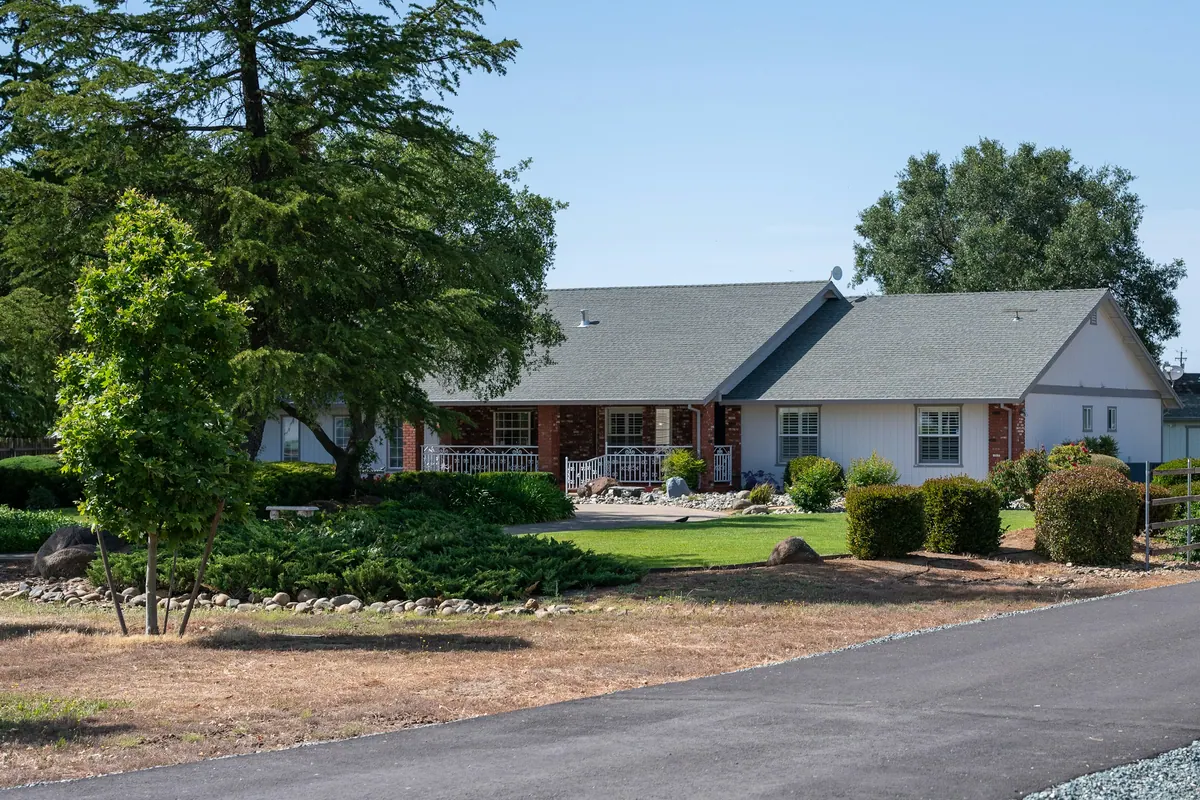
Ask a Dallas homeowner what worries them about selling and you will often hear one word before any other: foundation. North Texas sits on expansive clay that swells when wet and shrinks in drought, and houses here move. Sticking doors, stair-step cracks in brick, and a sloping kitchen floor are part of ordinary Dallas life, and they are also the exact items that turn a retail sale into a long negotiation.
That is a good place to start a guide about selling a Dallas house for cash, because the foundation question captures the whole decision. You can spend money and time making the house fit what a financed buyer expects, or you can sell it as it stands to a buyer who prices the work in. Either can be right. This guide walks through the Dallas-specific pieces that affect the choice, then shows how to compare offers on the number that matters: what you keep.
Start with the ground under the house
Dallas housing stock roughly divides by era. Many homes built before the 1960s, common in Oak Cliff, Old East Dallas, and parts of South Dallas, sit on pier-and-beam foundations with a crawl space. Later ranch houses in areas like Pleasant Grove, Lake Highlands, and Red Bird are more often slab-on-grade.
Each has its own typical issues. Pier-and-beam houses can develop sagging floors, rotted sill plates, or shifted piers, and they are often repairable with shimming and pier replacement. Slab houses can crack and heave, and repairs usually involve installing piers beneath the slab. Plumbing under a slab is another common question, because a leak can both cause and result from movement.
For sellers, the key question is not whether there is movement. It is how much is known. If you have an engineer’s report, a repair company’s bid, or a prior repair with a transferable warranty, gather it. Documentation lets any buyer, cash or financed, price the issue accurately instead of assuming the worst.
Know which county you are actually in
Most people assume Dallas means Dallas County. Mostly it does, but the city limits extend into Collin, Denton, Rockwall, and Kaufman counties. Far North Dallas neighborhoods near the tollway, for example, cross into Collin and Denton.
That matters for paperwork:
- Deeds and liens are recorded with the county clerk of the county where the house sits. The Dallas County Clerk’s office handles most addresses; northern pockets go through Collin or Denton.
- Appraised value comes from that county’s appraisal district. For most of the city that is the Dallas Central Appraisal District.
- Tax bills come from the county tax office, which often collects for the city, school district, and other taxing units on one bill.
Before you talk to any buyer, look up your property on the appraisal district site. Note the legal description, the account number, the exemptions currently applied, and the taxing units. You will want all of it.
Texas paperwork that shapes a Dallas sale
The seller’s disclosure notice
Texas Property Code section 5.008 requires most sellers of a single-family home to give the buyer a written disclosure notice covering known conditions, from foundation repairs to roof age to flood history. The flood questions were expanded in 2019 and now ask about floodplain location, past flooding, and flood insurance claims.
There are exemptions. One that matters for many Dallas families is the exemption for a fiduciary, such as an executor or administrator, selling during the administration of an estate. Heirs who already inherited and sell in their own names are generally not covered by that exemption. Exempt or not, known material defects should be disclosed. The Texas statute is short and readable; it is worth skimming the form before you sell.
The contract form
Texas real estate agents use contract forms promulgated by the Texas Real Estate Commission, and many investors use them too. The standard resale contract has separate sections for who pays for the owner’s title policy, how taxes are prorated, whether there is an option period, and which repairs, if any, the seller makes. Read those sections slowly. They decide more about your net than the price line does.
Title insurance and escrow fees
In Texas, basic title insurance premium rates are set by the state, so the premium for the owner’s policy should be the same whichever title company you use. Escrow fees and some endorsements do vary. The contract says who pays the owner’s policy; sellers commonly do in Texas, though a cash buyer may agree to cover it.
Property taxes in arrears
Texas property taxes are billed in the fall and are due by the end of January for the prior calendar year. When you close in, say, June, the current year’s bill has not been issued. The typical approach credits the buyer for your share of the year, often estimated from the prior year’s taxes. If you have been planning to protest your appraisal, the general deadline is May 15 or 30 days after the appraisal notice is delivered, whichever is later. A successful protest can lower the proration.
Inherited Dallas houses and the probate path
Dallas County has dedicated statutory probate courts. Texas offers several routes for passing real estate after a death, and the right one depends on whether there is a will, whether there are debts, and how much time has passed.
A few Texas-specific tools come up often:
- Muniment of title: when there is a will and no unpaid debts other than liens on real estate, a court can admit the will as a muniment of title, which can let heirs sell without a full administration.
- Independent administration: Texas allows executors to act with relatively little court supervision once appointed, which can make selling simpler.
- Affidavits of heirship: when someone died without a will and no probate was opened, heirs sometimes use recorded heirship affidavits. Title companies decide whether they will insure a sale on that basis, so ask early.
- Small estate affidavits in Texas generally cannot transfer real estate other than a homestead.
These are general outlines. A Texas probate attorney can tell you which fits your family. Our probate basics guide explains the concepts in plain English.
Historic and conservation districts
Dallas has designated historic districts, such as Winnetka Heights and Junius Heights, and conservation districts, such as the M Streets, where exterior changes go through city review. That does not limit your right to sell, but it does affect what the next owner can do with additions, windows, and siding. A buyer who plans to renovate will factor in that review process. Tell buyers about the designation up front; it builds trust and avoids surprises.
Dallas selling situations that fit a cash sale
Every Dallas sale is its own story, but a handful of situations come up often:
- The long-time family home in southern Dallas where parents lived for decades, now owned by several adult children who live elsewhere.
- The 1950s rental in Pleasant Grove or Oak Cliff with a long-term tenant, a roof near the end of its life, and an owner who is done being a landlord. See our guide on selling with tenants in place.
- The West Dallas house on a lot builders want, where the structure matters less than the land and the timing.
- The relocating owner who already started a job in another state and is paying a Dallas mortgage plus rent elsewhere.
- The hail-damaged roof with an open insurance claim and a decision about whether to repair before selling.
Comparing a Dallas cash offer on net
When you have an offer in hand, set the price aside for a moment and work through the deductions you would face on each path.
For a retail listing, estimate repair costs to pass a buyer’s inspection (foundation is often the big one), commissions, buyer concessions, title and escrow fees per your contract, the tax proration, and the months of mortgage, insurance, utilities, and yard care while the house is on the market.
For a direct cash sale, start from the offer price and subtract your loan payoff, your share of title and escrow fees, and the tax proration. There is usually no commission and no repair negotiation.
Then compare the two bottom lines. Our guide to reading a seller settlement statement shows each line you will see at a Texas title company, and the vacant house holding cost guide helps you put a monthly figure on waiting.
How to choose a cash buyer in Dallas
We won’t hand you a “top 10 Dallas cash buyers” list. Nobody can rank buyers fairly from the outside, and a list published by one of the buyers isn’t neutral. Here are checks you can run on anyone, us included, in an afternoon:
- Ask whether they are buying or assigning. Texas lets an unlicensed person assign a purchase contract only if they disclose the nature of that equitable interest in writing to the seller and any potential buyer (Texas Occupations Code §1101.0045). If the contract allows assignment and no such disclosure arrives, that tells you something. Ask directly: “Will your company be the grantee on the deed?”
- Look up the entity. A real company has a registered Texas entity you can search through the Secretary of State. The name on the contract should match the name on the offer.
- Check their closing history in public records. The Dallas County Clerk’s real property records are searchable, so you can see whether the company has actually taken title to local houses or only signs contracts.
- Pick or confirm the title company yourself. Call the title office at a number you find independently. Earnest money should be receipted by the title company, not held by the buyer.
- Get the estimated net in writing, including who pays the owner’s title policy and how the tax proration is calculated, before the option or inspection period starts.
- Read the exit clauses. Note how many days the buyer can walk away and whether the price can be renegotiated after an inspection. A long, open-ended inspection period works like a free option for the buyer.
Our full checklist on how to vet a cash home buyer adds a red-flag table you can print.
Talk with Main Street Home Buyer about your Dallas house
We buy Dallas houses as-is, foundation questions and all, and we put an estimated net beside our offer so you can compare it with listing. You pick the closing date. We don’t have a walk-in Dallas office; the sale closes at an independent Texas title company, and a mobile notary can come to you. Visit our Dallas page, send the address through the form below, or call (469) 399-2765. If you also own property elsewhere in Texas, we cover Fort Worth and Houston too.
Sources and further reading
Public sources referenced in this article. Rules change; confirm current requirements with the office or a licensed professional.
- Texas Property Code, Chapter 5 (Section 5.008 seller's disclosure) — Texas Legislature
- Property tax protests and appeals — Texas Comptroller of Public Accounts
- Dallas Central Appraisal District — Dallas Central Appraisal District
- Dallas County Clerk — Dallas County
- Dallas County Probate Courts — Dallas County
- Historic Preservation — City of Dallas
- Texas Occupations Code §1101.0045 (equitable interests in real property) — Texas Legislature
- Business entity search (SOSDirect) — Texas Secretary of State
- TREC contract forms — Texas Real Estate Commission
Written by the Main Street Home Buyer team
We buy houses as-is and put an estimated net-proceeds figure next to every offer. Our guides are general education, not legal, tax, or financial advice. For your situation, talk with a local attorney, CPA, or title professional. How we work →