Probate Basics Before You Sell an Inherited House: Who Can Sign, When, and What to Check Locally
Before an inherited house can be sold, someone needs legal authority to sign the deed. This plain-English primer covers wills, letters, small-estate shortcuts, the mortgage, taxes, and family disagreements, with notes on where state rules differ.
 By the Main Street Home Buyer team Published 6 min read
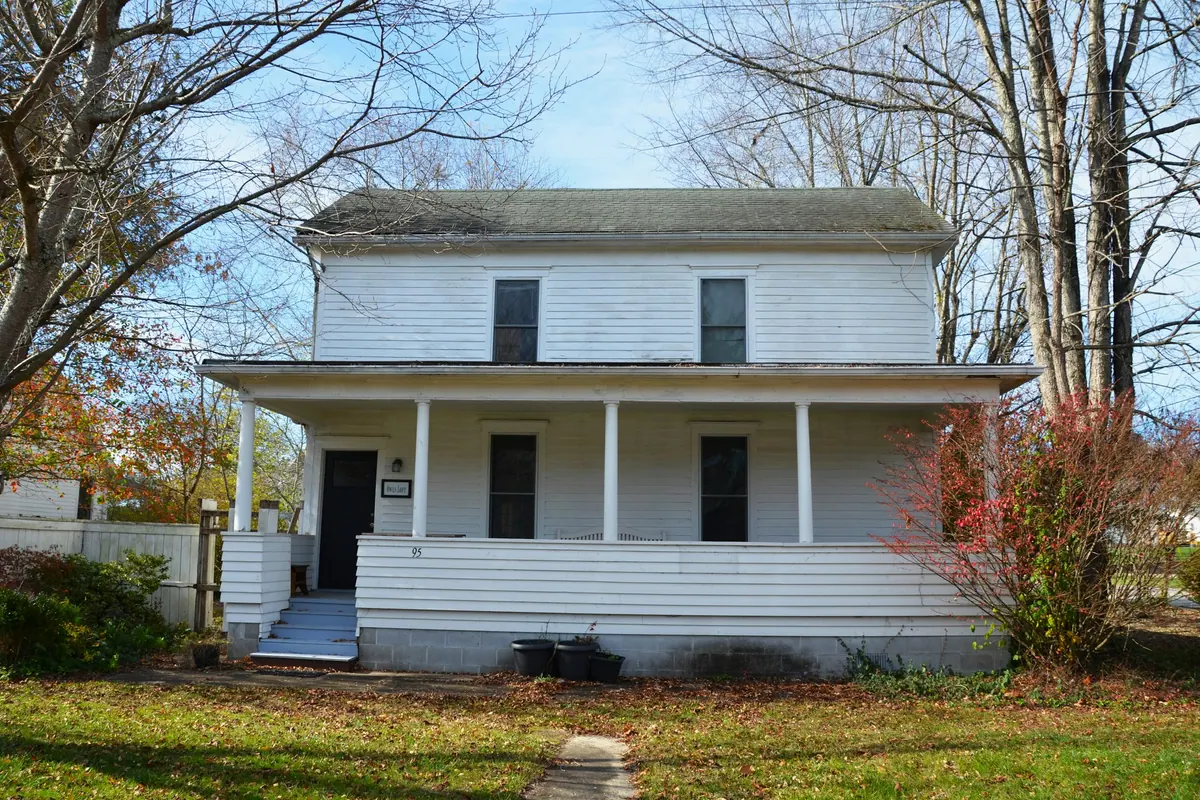
When a parent or relative dies and leaves a house, families usually ask the selling questions first: what is it worth, should we fix it, who should we sell to. There is an earlier question that decides everything else. Who has the legal right to sign the deed?
Until that question has a clear answer on paper, no buyer can close, no matter how much cash they have. This primer explains how that authority usually gets established. Probate is state law, and the details vary a lot, so treat this as orientation and confirm the specifics with a probate attorney or the clerk of the probate court in the county where the house sits.
Why the county matters more than where you live
Probate for real estate generally happens in the state and county where the property is located, not where the heirs live. If your mother lived in Ohio and you live in Arizona, the Ohio county court is usually where the estate gets opened. If she owned property in two states, the second state may require its own proceeding, often called ancillary probate.
That is why out-of-state heirs should identify the right court early. Many probate courts post forms, filing fees, and self-help guides online.
First, figure out how the house was titled
Before assuming probate is needed, look at the most recent deed. You can usually find it through the county recorder or clerk’s online records. How the owner held title determines the path.
- Joint tenancy with right of survivorship or tenancy by the entirety: the surviving owner typically takes the house automatically. They usually record a death certificate and an affidavit, and probate may not be needed for the house.
- Transfer-on-death deed or beneficiary deed: many states allow an owner to name a beneficiary on a recorded deed. At death, the beneficiary records the required affidavit and death certificate and can often sell without probate. Not every state recognizes these deeds.
- A living trust: if the house was deeded into a trust, the successor trustee usually has authority to sell under the trust document, without probate.
- Sole ownership with no beneficiary designation: this is the classic case where probate, or a state’s simplified alternative, is usually needed.
Will or no will: executor vs. administrator
If there is a valid will, it typically names an executor (some states say personal representative). The court admits the will and formally appoints that person.
If there is no will, state intestacy law decides who inherits, and the court appoints an administrator, often a spouse or adult child, to manage the estate.
Either way, the appointment comes with a court document. Names vary by state: letters testamentary, letters of administration, letters of authority. Title companies call them, simply, “the letters.” Buyers and title insurers rely on that document to know the signer has authority.
Small-estate shortcuts
Many states have simplified procedures for smaller or simpler estates: summary administration, small-estate affidavits, or affidavits of heirship. Some of these work for real estate; some apply only to bank accounts and personal property. Value limits, waiting periods, and whether a title company will insure a sale based on the shortcut all vary.
Check locally: ask the probate clerk which simplified procedures exist in that county, and ask a title company whether they will insure a sale using that procedure before you rely on it.
Can you sell during probate?
Usually, yes. In many states the personal representative can sell real estate during administration, sometimes with full authority and sometimes only with court approval. A few things decide which:
- Whether the will grants a power of sale.
- Whether the state lets representatives act with independent authority or requires court supervision.
- Whether heirs consent in writing.
When court confirmation is required, the process can add notice periods and a hearing, and sometimes the court allows other bidders to overbid at the hearing. That affects timing. A buyer who understands probate will build the confirmation step into the contract instead of pressuring you to skip it.
What happens to the mortgage
A mortgage does not vanish when the borrower dies. Payments are still due, and missing them can lead to foreclosure even while probate is open.
Two pieces of federal law help families. First, the Garn-St Germain Act generally prevents lenders from calling a loan due solely because the home passed to a relative after the borrower’s death. Second, federal mortgage servicing rules give confirmed “successors in interest” the right to get information about the loan and to be considered for options the servicer offers. The Consumer Financial Protection Bureau explains how to contact the servicer and what documents to send.
Practical step: notify the servicer in writing, send the death certificate and proof of your role, and ask for the current payoff and monthly amount. If the house will sell soon, the payoff is what the closing agent will need.
Taxes worth understanding early
Two federal tax ideas come up in almost every inherited sale. Talk to a CPA before you rely on either.
Stepped-up basis. For most inherited property, the tax basis is generally the fair market value on the date of death, not what the original owner paid decades ago. The IRS explains this under basis of assets. If you sell soon after inheriting, the taxable gain may be small. An appraisal dated near the date of death helps document that value.
The home sale exclusion usually does not transfer. The exclusion for selling a primary residence depends on the seller’s own ownership and use. Heirs who never lived in the house generally do not qualify. Publication 523 covers the details.
Property taxes keep accruing during probate, and a homestead exemption tied to the deceased owner may end. Ask the county assessor what changes after a death so a bigger bill does not surprise the estate.
When heirs disagree
Inherited houses can strain families. One sibling wants to keep it, one needs cash now, one lives far away and just wants it handled. A few approaches help:
- Get a neutral value. An appraisal or a few agent opinions remove the guesswork that fuels arguments.
- Put the numbers side by side. Compare a buyout, a listed sale after repairs, and an as-is sale on estimated net per heir, not just on price.
- Use the representative’s authority carefully. Even when the executor can legally sell alone, keeping heirs informed reduces the risk of challenges.
- Know that partition exists. If co-owners cannot agree, state law generally lets one ask a court to order a sale or division. It is slow and costly, so it is usually a last resort.
Before you list or accept any offer
- Locate the will, the most recent deed, and the death certificate.
- Confirm whether probate or a simplified procedure is needed in that county.
- Get appointed, and get certified copies of the letters.
- Notify the mortgage servicer, the insurer, and the utilities.
- Secure the house. Vacant houses carry real risk; see our vacant house holding cost guide.
- Ask the court or your attorney whether the sale needs approval.
- Compare paths on estimated net. Our guides on inherited as-is sales without surprise fees and selling an inherited house without showings pick up where this one stops.
How we work with estates
Main Street Home Buyer buys inherited houses as-is, including houses full of belongings. We do not give legal advice, and we would rather wait for letters to be issued than push a family into signing something early. When you are ready, we show an estimated net figure the representative can share with every heir. Start with the form below or call (469) 399-2765.
Sources and further reading
Public sources referenced in this article. Rules change; confirm current requirements with the office or a licensed professional.
- The probate process — American Bar Association
- How do I get mortgage information about a home I inherited? — Consumer Financial Protection Bureau
- Topic no. 703, Basis of assets — Internal Revenue Service
- Publication 523, Selling Your Home — Internal Revenue Service
Written by the Main Street Home Buyer team
We buy houses as-is and put an estimated net-proceeds figure next to every offer. Our guides are general education, not legal, tax, or financial advice. For your situation, talk with a local attorney, CPA, or title professional. How we work →