What a Vacant House Really Costs Each Month (and the Risks That Don't Show Up on a Bill)
Mortgage, taxes, insurance, utilities, and upkeep keep running when nobody lives in a house. Here is how to add up your monthly holding cost, why vacancy can change your insurance, and how to use that number when deciding whether to sell.
 By the Main Street Home Buyer team Published 6 min read
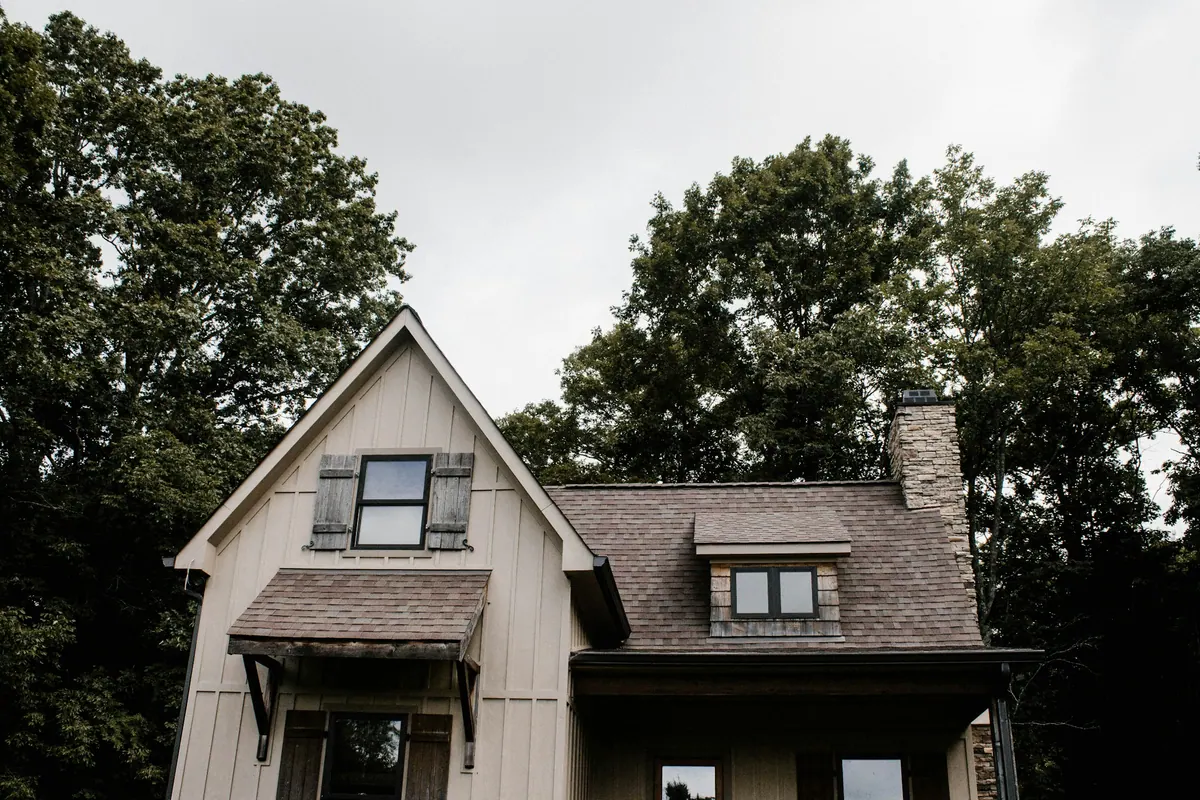
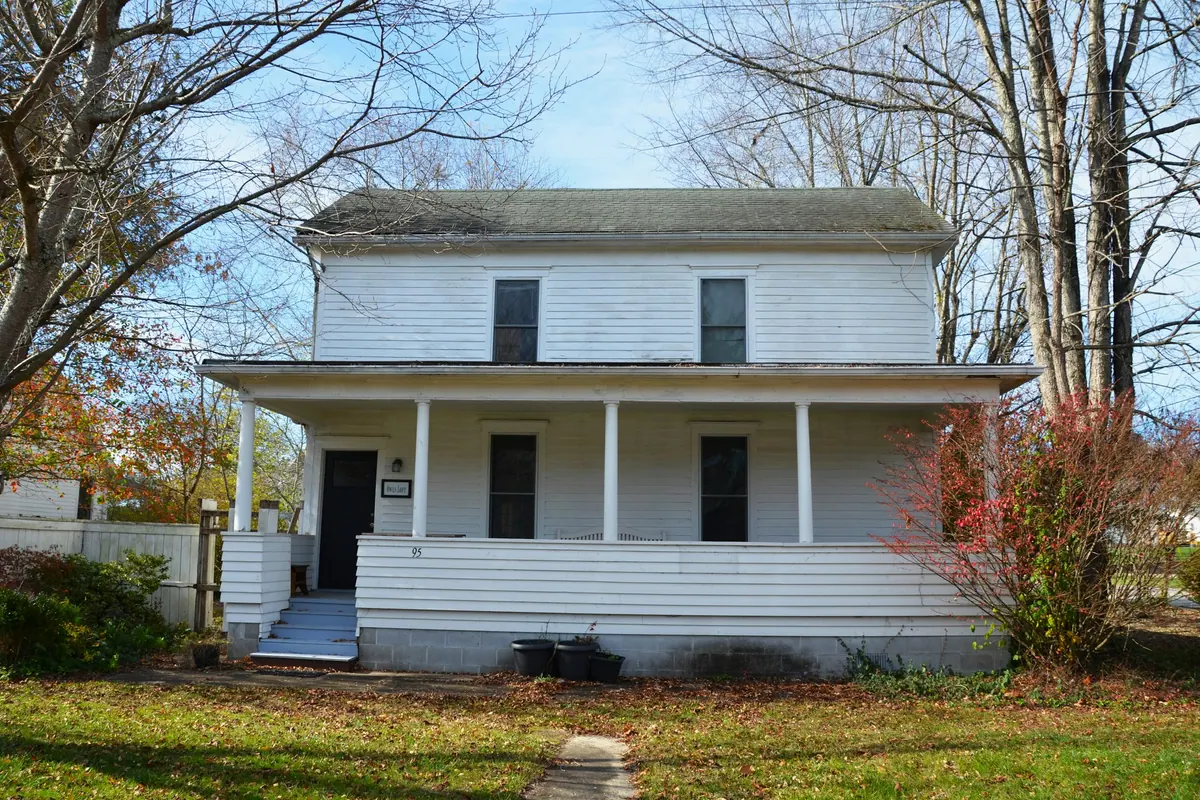
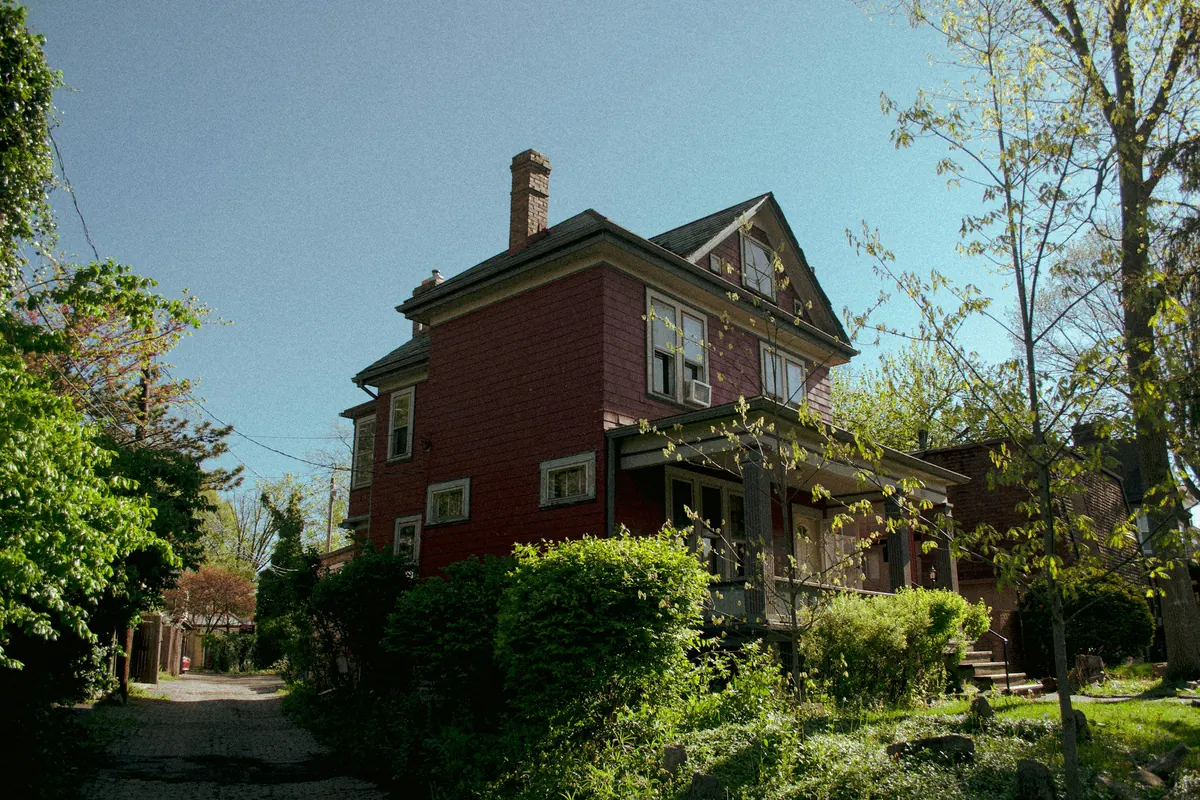
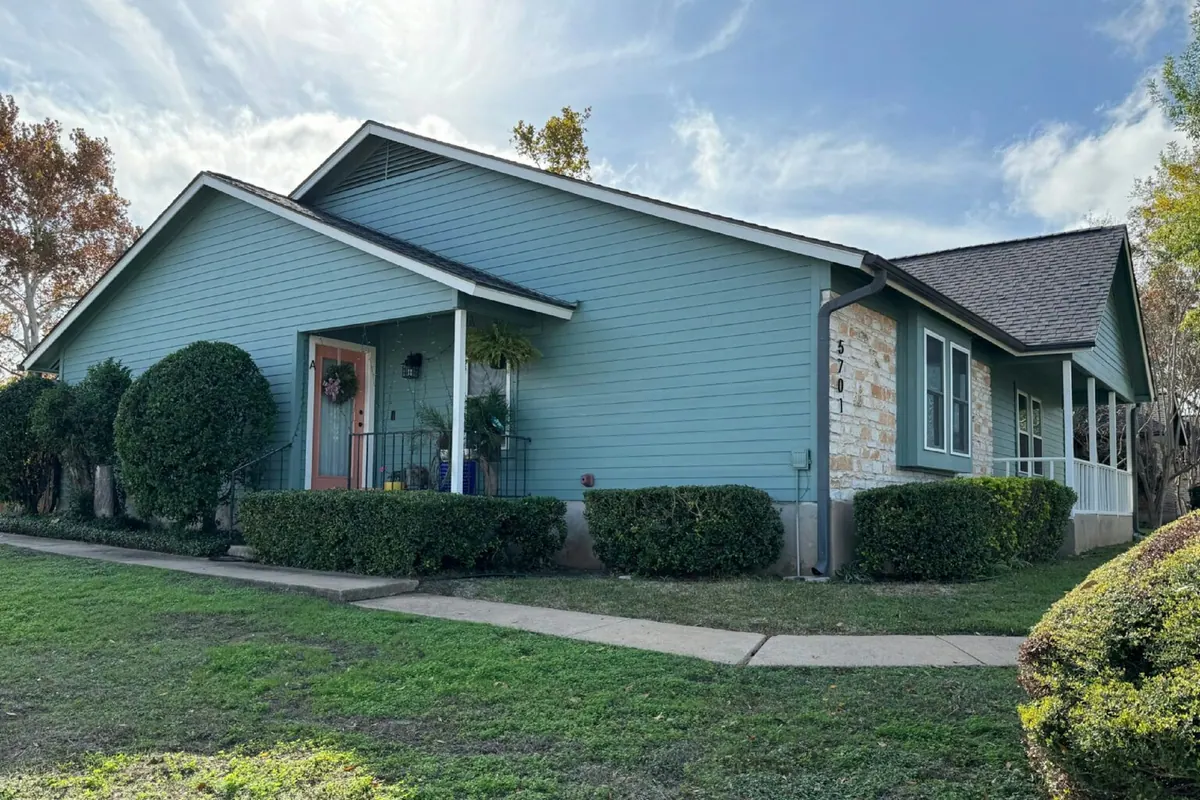
A house nobody lives in still sends bills. Heirs, landlords between tenants, and owners who already moved for a new job all end up paying for a home that is not giving anything back. Most people underestimate that cost because it arrives in pieces: a tax bill here, an insurance renewal there, a plumber in January.
This guide helps you put one honest monthly number on it. That number is one of the most useful tools you have when deciding whether to fix, list, rent, or sell as-is.
The fixed costs that do not care if anyone lives there
Start with the bills that keep coming no matter what.
- Mortgage payment. Principal, interest, and any escrow for taxes and insurance. Only the interest is a true cost of holding; principal builds equity. When you compare options, count the interest and escrow and keep principal separate.
- Property taxes. If taxes are not escrowed, divide the annual bill by twelve. Watch for changes: a homestead exemption tied to an owner who has died or moved out may end, which can raise the bill.
- Insurance. This one deserves its own section below, because vacancy often changes what you pay and what is covered.
- HOA or condo dues, plus any special assessments.
- Other recurring charges: trash service, sewer or stormwater fees, an alarm monitoring contract, or a loan for solar panels or a water heater that stays with the house.
The variable costs that grow with time
These are less predictable, so estimate a monthly allowance.
- Utilities. You still need electricity for lights and a monitored alarm, water for occasional checks, and enough heating or cooling to protect the structure.
- Lawn and exterior care. Many cities cite overgrown yards, and a neglected exterior signals that nobody is home.
- Routine checks. Someone should walk through regularly. If that is you, count your time and travel. If you pay someone, count the fee.
- Repairs that happen anyway. Roofs leak, sump pumps fail, and pipes freeze whether or not anyone lives there. A small repair reserve each month is realistic.
Insurance: the part people get wrong
A standard homeowners policy is written for an occupied home. Many policies include a vacancy clause that limits or removes coverage after a property sits empty for a set period. In the widely used HO-3 form published by Insurance Services Office, for example, coverage for vandalism and malicious mischief is excluded if the dwelling has been vacant for more than 60 consecutive days before the loss. The Insurance Information Institute notes that many policies limit or exclude coverage after a home is vacant for roughly 30 to 60 days, depending on the policy.
Vacant and unoccupied are not always the same thing in a policy. A furnished home where the owner is temporarily away may be treated differently from a house that has been emptied. Policy wording controls, so read yours or ask your agent.
What to do:
- Tell your insurer the house is vacant as soon as it is. Ask what changes and when.
- Ask about a vacancy endorsement or a vacant-home policy. Expect it to cost more than a standard policy, and expect conditions such as regular inspections or winterization.
- Do not let the policy lapse. If there is a mortgage, the lender can force-place insurance, which is usually expensive and protects the lender rather than you.
Risks that never appear on a bill
Some costs are probabilities, not invoices. They are still real.
- Water damage. A slow leak in an occupied home gets noticed in a day. In an empty house it can run for weeks.
- Freeze damage in cold climates if heat fails or the house is not winterized.
- Break-ins, theft, and squatting. Copper pipe, appliances, and HVAC units are common targets in empty houses.
- Code enforcement. Some cities require owners to register vacant buildings, and many will cite tall grass, open windows, or unsecured doors. Our guide on selling a house with code violations covers what happens if a citation turns into a lien.
- Deferred maintenance. Houses age faster when nobody is there to notice small problems.
You cannot put a precise dollar figure on these, but you can lower them: keep utilities on at a safe level, use timers on lights, stop mail, ask a neighbor to keep an eye out, and check the house on a schedule.
Seasonal steps that protect an empty house
What a vacant house needs depends on the climate, and skipping these steps is how small holding costs turn into big ones.
- Cold climates: before the first hard freeze, either keep the heat on at a safe minimum or have the house professionally winterized, which usually means shutting off the water, draining the lines and water heater, and adding antifreeze to drain traps. Ask your insurer which they require; some vacant-home policies spell it out.
- Hot, humid climates: leaving the air conditioning off for months invites mold and warped wood. Many owners keep the system running at a moderate setting with a smart thermostat they can check remotely.
- Storm-prone areas: clear gutters, secure loose items in the yard, and know how you will get someone to the house quickly after a storm to check the roof and windows.
- Everywhere: test smoke detectors, shut off and drain the washing machine supply hoses, and photograph every room so you have a record if something goes wrong.
Build your monthly number
Use the worksheet below with your own bills. Leave a line blank if it does not apply.
| Cost | Where to find it | Your monthly figure |
|---|---|---|
| Mortgage interest | Latest mortgage statement | |
| Escrow (taxes and insurance) | Mortgage statement | |
| Property taxes, if not escrowed | County tax bill divided by 12 | |
| Insurance or vacancy policy | Declarations page divided by 12 | |
| HOA dues and assessments | HOA statement | |
| Electricity, gas, water, trash | Recent utility bills | |
| Lawn and exterior care | Quote or your own costs | |
| Inspections and checks | Your time and travel, or a service fee | |
| Repair reserve | Your estimate | |
| Total monthly holding cost |
Now multiply that total by the number of months each path would take.
Use the number to compare options
Holding cost turns a vague feeling (“waiting costs money”) into a figure you can compare.
- Fix up and list: months of repair work plus months on the market plus the time to close. Multiply by your monthly number and subtract it from the expected net.
- Rent it out: months to get it rent-ready and find a tenant, plus the ongoing work of being a landlord. Our guide to selling a house with tenants covers what happens if you rent now and sell later.
- Sell as-is for cash: usually the shortest timeline, so the fewest months of holding cost, but a lower price than a retail sale after repairs.
The answer depends on your house and your market. Sometimes the retail path still wins comfortably. Sometimes several months of carrying costs erase most of the difference. You will not know until you do the arithmetic. Our net proceeds vs. list price guide shows how to build both versions side by side.
For heirs and executors
If the house is in an estate, holding costs usually come out of estate funds or out of an heir’s pocket with a promise of reimbursement. Keep receipts, record who paid what, and share the running total with other heirs. It prevents arguments later, and it helps the personal representative explain why a timely sale made sense. Our probate basics guide explains who has authority to sell in the meantime.
Talk to us when the number gets uncomfortable
Main Street Home Buyer buys vacant houses as-is, including ones with belongings left inside. We will give you an estimated net so you can compare it with your holding cost math, and you choose the closing date. Request your estimate below or call (469) 399-2765.
Sources and further reading
Public sources referenced in this article. Rules change; confirm current requirements with the office or a licensed professional.
- Sample HO-3 homeowners policy form — Insurance Information Institute
- When no one's home: understanding the role of vacancy insurance — Insurance Information Institute
Written by the Main Street Home Buyer team
We buy houses as-is and put an estimated net-proceeds figure next to every offer. Our guides are general education, not legal, tax, or financial advice. For your situation, talk with a local attorney, CPA, or title professional. How we work →